How to identify
How to identify a Le Pho
Le Pho's signature, materials and labels changed over seventy years, so no single test settles a work. Signature, surface, subject and history all have to agree.
The signature
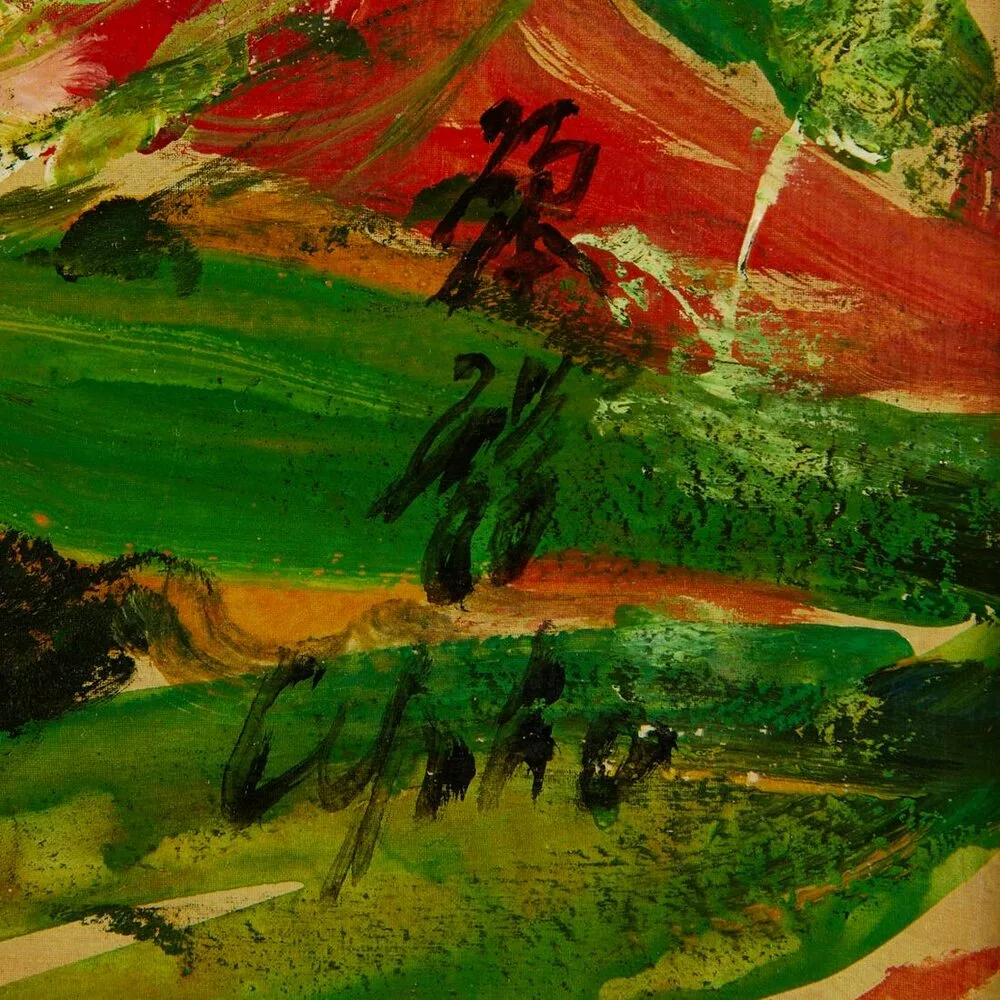
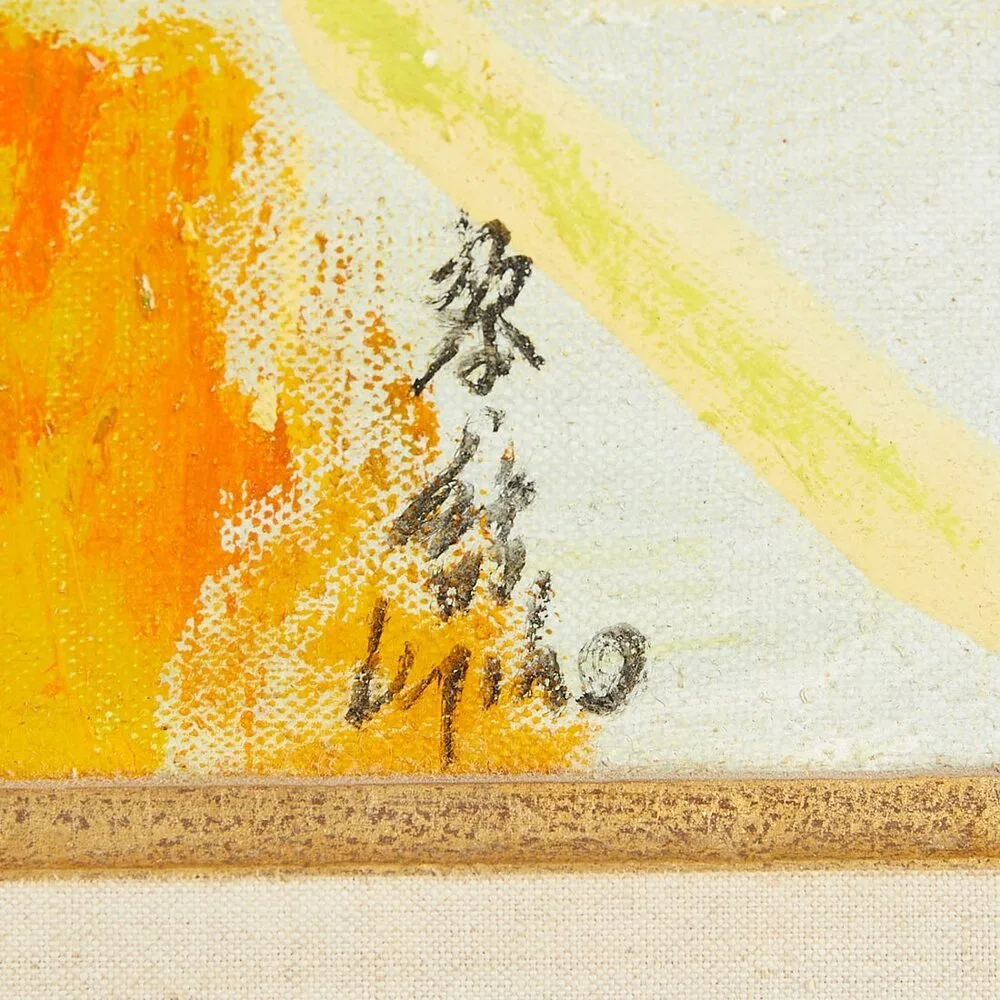
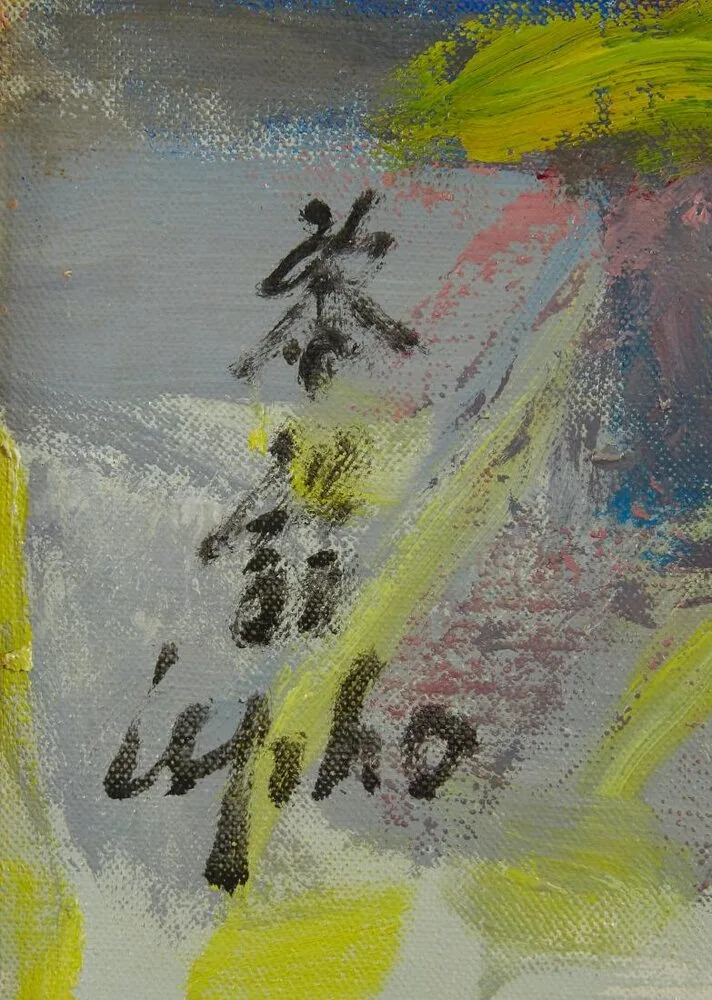
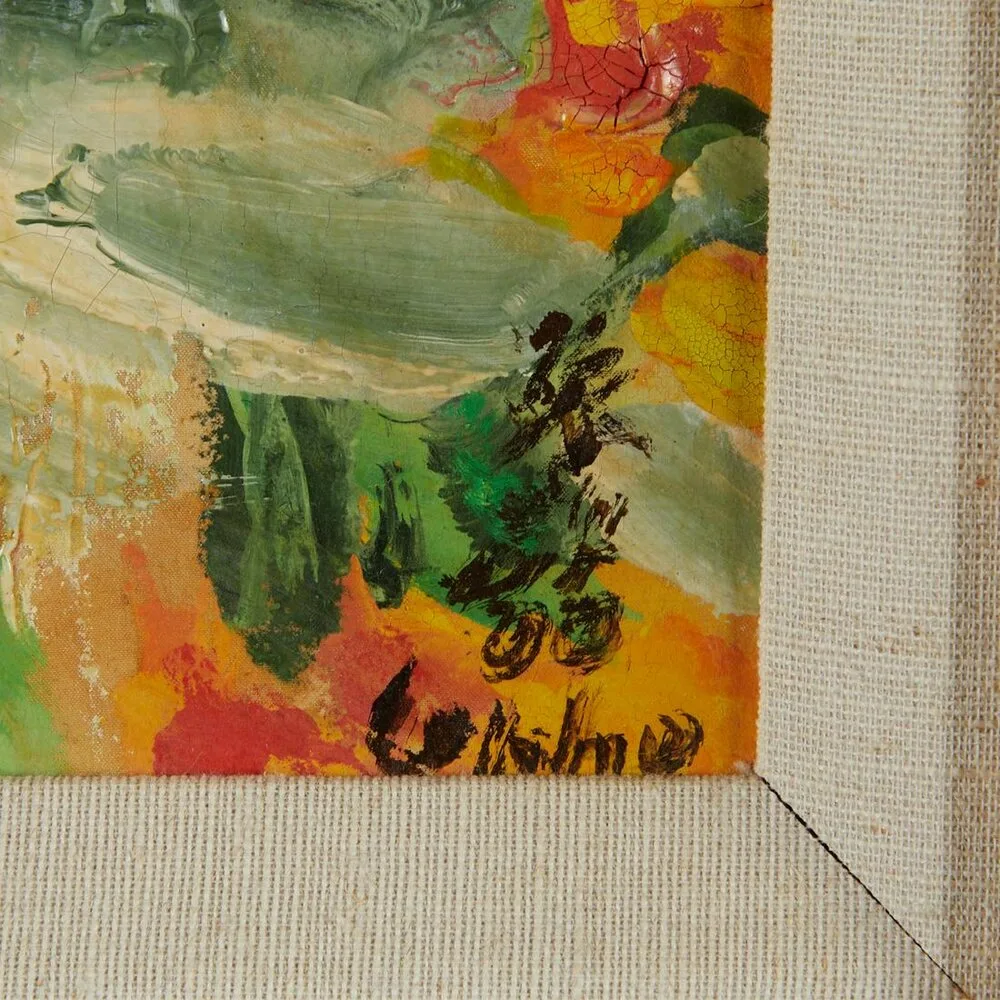
He signed with his name in Chinese characters, 黎譜, and in Latin letters. On the oils of his later years the two characters usually sit above a flowing “Le Pho,” low in one corner. Every painting shown here has that form.
The signature was not always the same. A student canvas of 1929 is signed LE PHÔ in capitals. A silk of about 1938 typically has his name in Latin letters and again in Chinese, with one seal. A work he dated 1942 carries only a simple romanized signature, so the absence of Chinese characters is not in itself a warning.
Seals
He used few seals. The common one has four characters, 黎譜預畫, and exists in two versions, one with a border and one without. Seals were stamped only on paper and silk. On oil and lacquer he painted them by hand, so the outlines on those works do not match exactly.
Materials by period
To 1937. In Hanoi he worked in oil on canvas, in silk and in lacquer. He gave up lacquer because of an allergy, so lacquers are few and early.
From 1937. In Paris he and his friends worked on silk, with gouache and ink. The silk was backed on paper or light card.
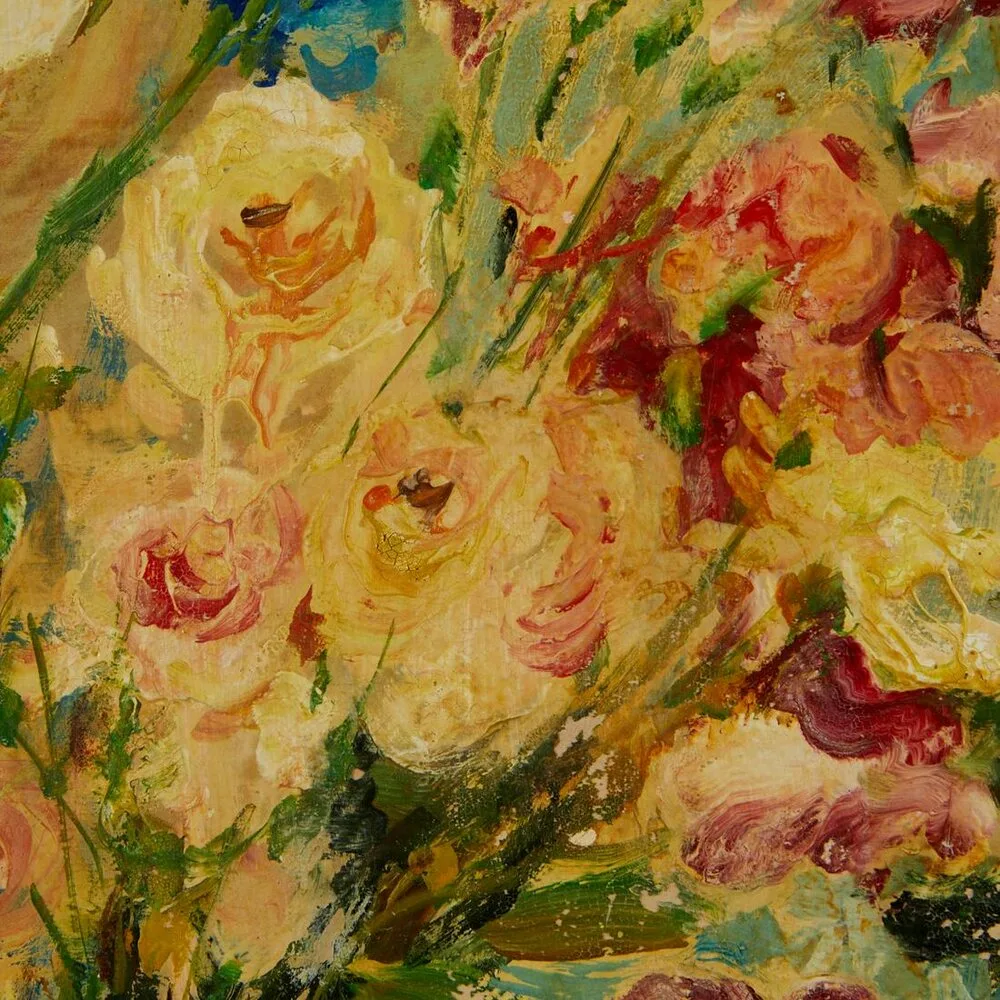
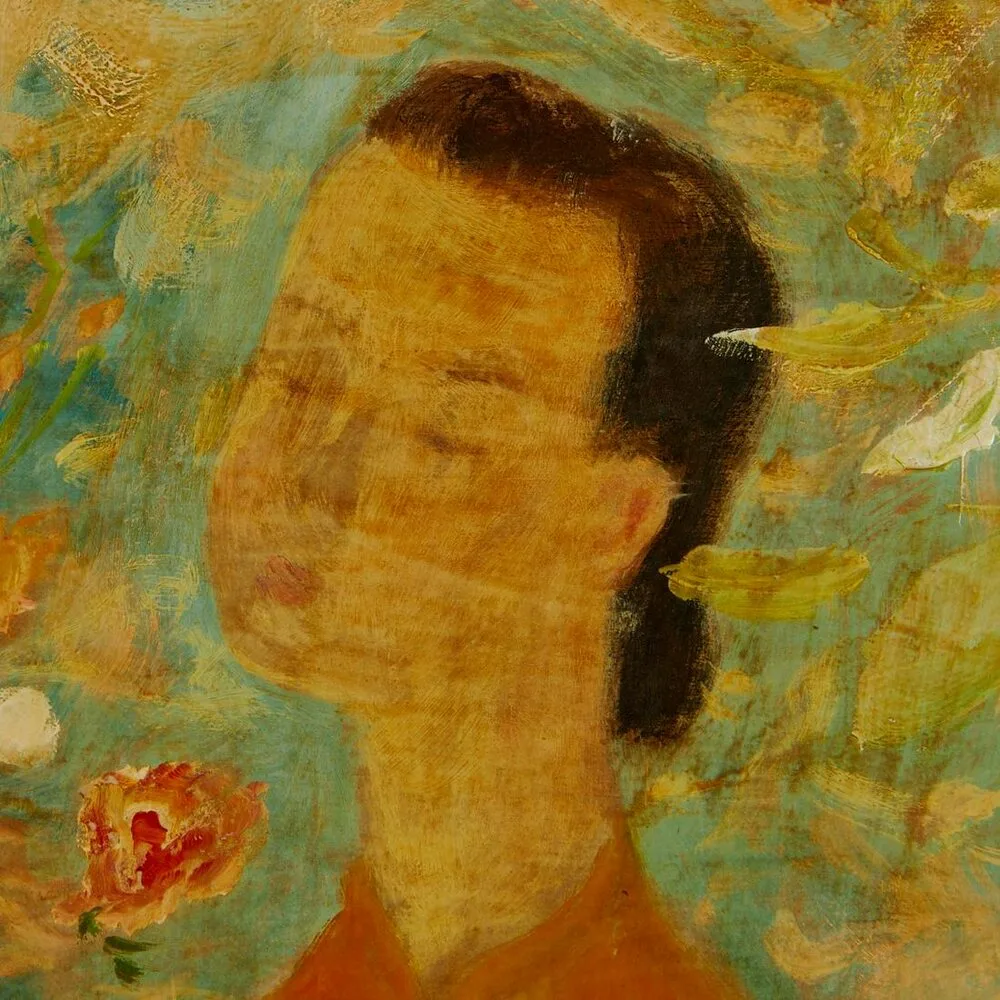
From about 1955. He added oil to the gouache and ink, and painted more thickly on silk mounted on thin wood or Masonite. Three of the paintings Revere has sold are oil on silk on Masonite.
From 1963. He worked almost entirely in oil on canvas, often at a large size.
The back and the frame
Keep everything on the back of a painting. Silks often have a handwritten title on the reverse. Works from the Galerie Romanet can carry a typed gallery label with a stock number. Paintings sold through Wally Findlay Galleries often have a title and gallery inscription on the canvas or stretcher, a gallery label, and a stock number. The gallery also issued certificates in his lifetime.
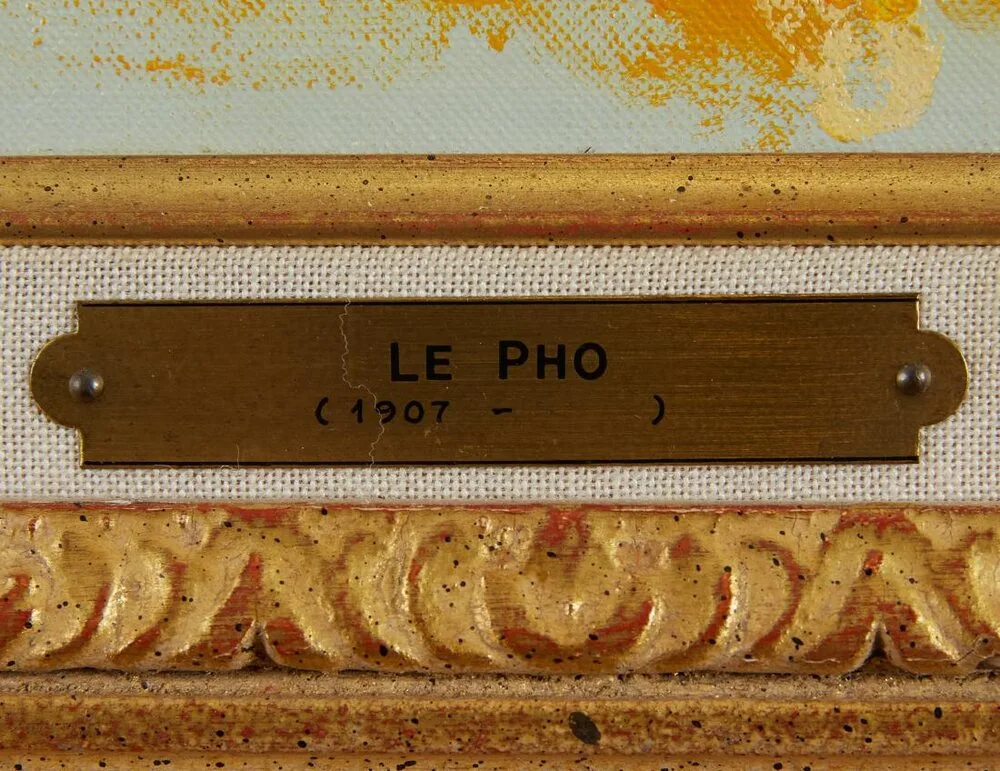
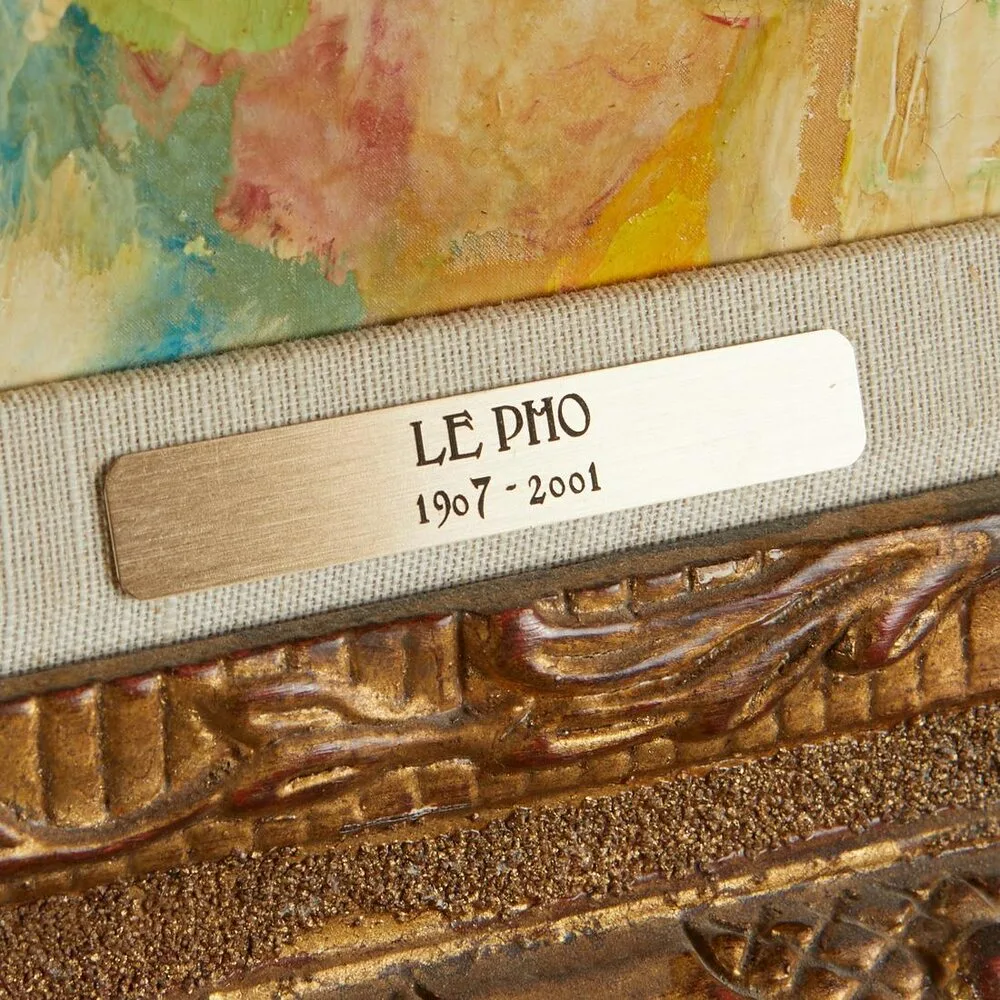
Many of these paintings still have their original gilt frames with a small brass nameplate. A nameplate is only a frame fitting and proves nothing by itself, but it is part of the record.
Prints
His color lithographs, such as Sisters and Bouquet of Flowers, are signed in pencil at the lower right and numbered at the lower left. The impressions Revere has sold were numbered out of 120. Artist's proofs are marked EA. A print with no pencil signature or number is a poster or a reproduction.
Dates
He often left works undated, and his own memory of dates was unreliable, so an undated work has to be placed by its style. A road accident ended his painting at the end of the 1980s or in 1990.
Who authenticates his work
No catalogue raisonné of Le Pho has been published. His son Alain Le Kim issues certificates of authenticity, the latest we have seen dated December 2025. Researchers in France and the United States have each said they are preparing a catalogue, and each gives opinions of its own.
No single opinion is final, and buyers may look for more than one. A certificate is one piece of evidence alongside the signature, the materials and the history of the work.
Fakes
Forgery of the Hanoi school painters is a serious and growing problem. The Vietnamese researcher Phạm Long has said it spread as prices rose after 2017, and the researcher Ngô Kim Khôi has called it a worsening wound. Paintings publicly challenged have been faulted for careless color and style. A convincing signature proves very little.
Questions
How did Le Pho sign his paintings?
He usually signed with his name in Chinese characters, 黎譜, together with Le Pho in Latin letters. On the later oils the two characters sit above a flowing Le Pho low in one corner. Earlier works vary, and a work he dated 1942 has only a romanized signature.
Is there a Le Pho catalogue raisonné?
No catalogue raisonné has been published. His son Alain Le Kim issues certificates of authenticity, and other researchers have said they are preparing catalogues.
Is my Le Pho an original or a print?
His lithographs are signed in pencil at the lower right and numbered at the lower left. Under magnification a lithograph shows a flat printed surface, while a painting has brushwork and raised paint. A print with no pencil signature or number is a poster or a reproduction.
Are there fake Le Pho paintings?
Yes. Researchers say forgery of the Hanoi school painters has grown as prices have risen. Signature, materials, subject and history should all agree, and a specialist should see the front, the back and every label.